
What Is Cox Flexion Distraction?
Cox Flexion Distraction is a doctor-controlled, table-assisted chiropractic technique that uses measured movement and distraction. Rather than relying only on a rapid manual thrust, the chiropractor maintains directed contact while using a specialized table to move a selected area of the spine in a controlled way.
Revive uses the Cox 8 Flexion Distraction table for cervical, mid-back, and lumbar care. The direction, range and amount of movement are selected according to the examination findings and your response during care.
How the Technique Is Used
You are positioned on the Cox table while Dr. Kleinfeld maintains directed contact at the selected spinal level. The table allows controlled flexion, distraction and positioning to be applied according to the area being treated.
The cervical, mid-back, and lumbar sections are used differently. For a neck concern, the contact and table movement are directed to the relevant cervical area. For a lower-back concern, controlled lumbar movement can be applied while your response is monitored.
Cox Flexion Distraction is therefore not simply a machine-driven treatment. The chiropractor controls the procedure and adapts it according to the clinical findings and your tolerance. Cox Technic’s own protocols emphasize doctor-controlled contact and ongoing patient feedback during treatment.
Treatment Selection Comes Before Table Selection
You are not placed on the Cox table simply because you have back pain, neck pain or an abnormal imaging finding. Your history, movement, orthopedic and neurological findings and relevant imaging help determine whether the technique is appropriate.
The same diagnosis can require a different approach depending on factors such as symptom behaviour, bone health, previous surgery and neurological findings.
How Your Feedback Guides the Session
Tell Dr. Kleinfeld if pain, tingling, numbness or another symptom changes during positioning or movement. The direction or range may be modified, the procedure may be stopped, or another approach may be considered.
A controlled, lower-force technique still requires appropriate screening and monitoring. It should not be presented as automatically suitable for every patient.


What Research Tells Us About the Technique
Flexion Distraction has been studied in both lumbar, mid-back, and cervical applications. Research has examined its biomechanics as well as clinical outcomes in people with conditions such as chronic low-back pain, lumbar spinal stenosis and cervical radiculopathy. Some of the published evidence consists of pilot studies, retrospective studies and case reports, so it should not be interpreted as proof that the technique will produce the same result for every patient.
Biomechanical studies have also examined spinal movement and changes occurring during Flexion Distraction. These findings help researchers understand how the technique works mechanically, but an individual treatment recommendation still depends on the patient’s examination and response to care.
When Cox Flexion Distraction May Be Considered
Following an evaluation, Cox Flexion Distraction may be considered for selected disc-, joint- or nerve-related presentations involving the cervical, mid-back, or lumbar spine.
Concerns that may lead to an evaluation include:
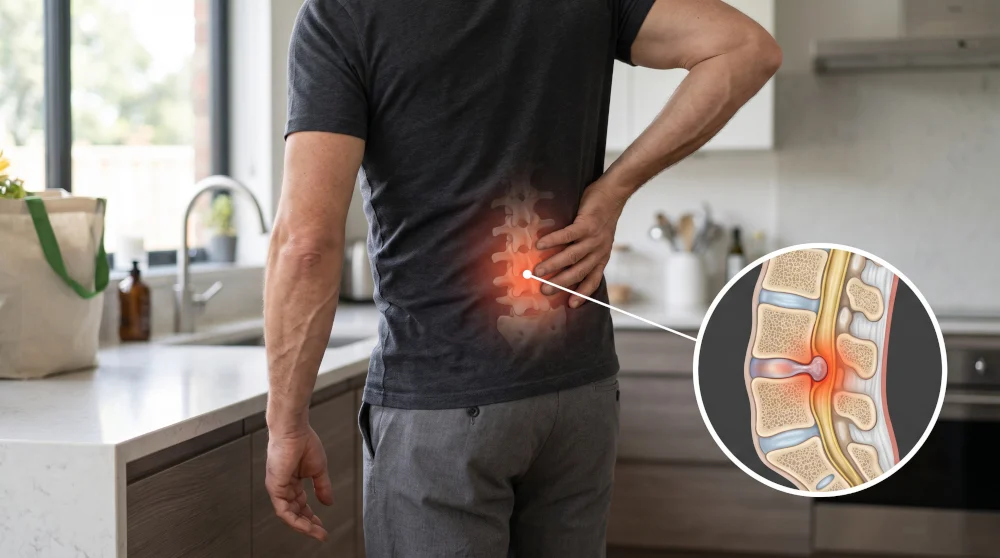
These are reasons someone may seek an evaluation, not a list of conditions automatically treated with Cox Flexion Distraction. The examination determines whether this technique, another chiropractic approach, further testing or medical referral is appropriate.
Why Cox Flexion Distraction May Be Recommended
Dr. Kleinfeld may consider Cox Flexion Distraction when a controlled, table-assisted chiropractic approach is appropriate for your findings.
It may be used on its own or, when clinically appropriate, alongside another chiropractic technique, supportive modalities, home exercises or activity guidance. It may also be used before a Diversified adjustment when both approaches form part of the plan.
The purpose is not to select a technique because it is more popular or because a diagnosis appears on an MRI. The technique should match the examination findings, patient tolerance and treatment goals.
Cox Flexion Distraction for Active Adults and Desk Workers
From golfers and tennis players to pickleball enthusiasts, weight trainers and recreational athletes, staying active places different demands on the spine. Repetitive rotation, bending, lifting and other movements can sometimes aggravate existing neck or back problems. Cox Flexion Distraction offers a controlled, low-force chiropractic approach that may be considered when spinal discomfort, stiffness or restricted movement interferes with the activities you enjoy.
The technique may also be considered for office professionals and others who spend long periods sitting or working at a computer. Extended screen time and sustained neck positions can contribute to discomfort commonly called “tech neck“. Dr. Kleinfeld uses the Cox 8 Flexion Distraction table to provide individualized cervical or lumbar care when appropriate, based on your symptoms, examination findings and treatment goals. The focus is on managing discomfort, supporting comfortable movement and helping you maintain an active lifestyle.

Cox Flexion Distraction and Spinal Decompression
At Revive, Cox Flexion Distraction is the chiropractic technique used to provide the practice’s table-assisted spinal decompression service.
The two terms describe the same core approach from different perspectives:
Cox Flexion Distraction identifies the specific chiropractic technique and table-assisted method.
Spinal decompression is the patient-facing service description used for the controlled decompression approach delivered at Revive.
Patients interested primarily in the conditions for which decompression may be evaluated can read more on the Spinal Decompression service page.

Dr. Kleinfeld’s Experience With Cox Flexion Distraction
Dr. Robert Kleinfeld is a Florida-licensed Chiropractic Physician who is certified in the Cox Flexion Distraction Decompression Technique. He graduated from Life University in June 1997 and has practiced for 30 years in Kentucky, Minnesota, Boynton Beach and West Palm Beach.
His clinical experience includes Diversified Technique, chiropractic physiotherapy and therapy modalities, as well as cervical, mid-back, and lumbar Cox Flexion Distraction. At Revive, he uses the Cox 8 Flexion Distraction table as part of an individualized approach based on the patient’s history, examination findings and response to care.
How Response to Care Is Assessed
Progress should be measured against the problems identified at the initial evaluation rather than simply by the number of visits completed.
Depending on your presentation, Dr. Kleinfeld may monitor changes in:
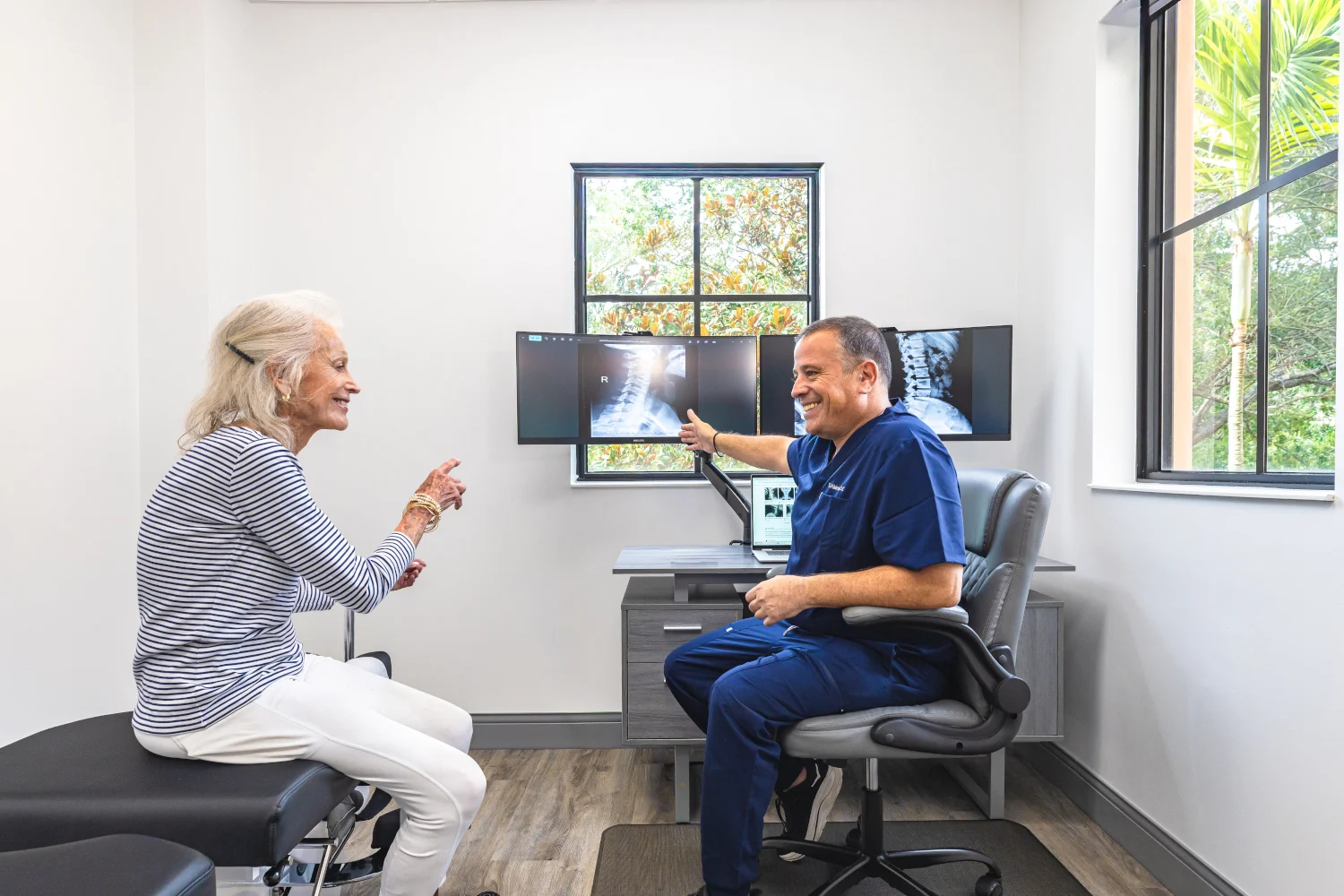
Pain traveling farther into an arm or leg, new or increasing weakness, or other neurological changes require reassessment.
If progress is not occurring as expected, the technique, visit frequency or overall plan may be reconsidered. Additional imaging or medical referral may also be appropriate.
Frequently Asked Questions
Cox Flexion Distraction may be considered for active adults experiencing certain neck or back problems that affect their ability to exercise or participate in sports. Golfers, tennis and pickleball players, and weight trainers can experience discomfort associated with repetitive movements, lifting or rotation. Dr. Kleinfeld evaluates each patient’s symptoms and spinal function before recommending treatment.
Yes. Revive uses cervical, mid-back, and lumbar Cox Flexion Distraction approaches. The area treated, table movement and clinical protocol are selected according to the examination findings rather than applying one identical method to every patient.
At Revive, Cox Flexion Distraction is the technique used to deliver the practice’s table-assisted spinal decompression service. “Cox Flexion Distraction” identifies the technique, while “spinal decompression” is the broader patient-facing service description.
Yes, when both approaches are clinically appropriate. Cox Flexion Distraction may be used alone or alongside Diversified Technique and other supportive care according to your examination, tolerance and response.
No. Cox Flexion Distraction may be considered for a range of spine-related presentations, but no technique can guarantee pain relief or another particular outcome. Progress should be monitored and the plan modified or referral considered when necessary.
There is no universal number of visits. Frequency and duration depend on your findings, symptoms, functional goals and response to care. Revive uses planned review points rather than assuming that everyone requires the same course of treatment.
Cox Flexion Distraction is typically appropriate for pregnant patients, however, pregnancy requires individual assessment. Positioning, symptoms, health history and relevant precautions need to be considered before deciding whether Cox Flexion Distraction or another approach is appropriate. Consultation or referral to another healthcare provider may also be appropriate.
Revive does not bill insurance and operates on a self-pay basis. Cash, Zelle and credit cards are accepted, and financing is available. Ask the office about current fees and payment arrangements before beginning care.
Schedule a Cox Flexion Distraction Evaluation
If you would like to find out whether Cox Flexion Distraction may be appropriate for your neck or back concern, schedule an evaluation with Revive Spine & Wellness in Jupiter.
Call 561-919-2262 or book a consultation online.