
A Controlled, Table-Assisted Approach
Revive’s signature service is spinal decompression using the Cox 8 Flexion Distraction table. Dr. Kleinfeld uses controlled movement and distraction at a selected cervical, mid-back, or lumbar area. This differs from a rapid manual adjustment and can be adapted to the findings and comfort of you.
How it Works
The table allows a spinal segment to be positioned and moved in a controlled way while the chiropractor applies directed contact. The intent is to influence motion and loading around spinal joints and discs.
Why You May Request a Spinal Decompression Evaluation
Your evaluation begins with how the problem affects your life – not with the assumption that every neck or back complaint needs decompression.
Symptoms That May Lead to an Evaluation
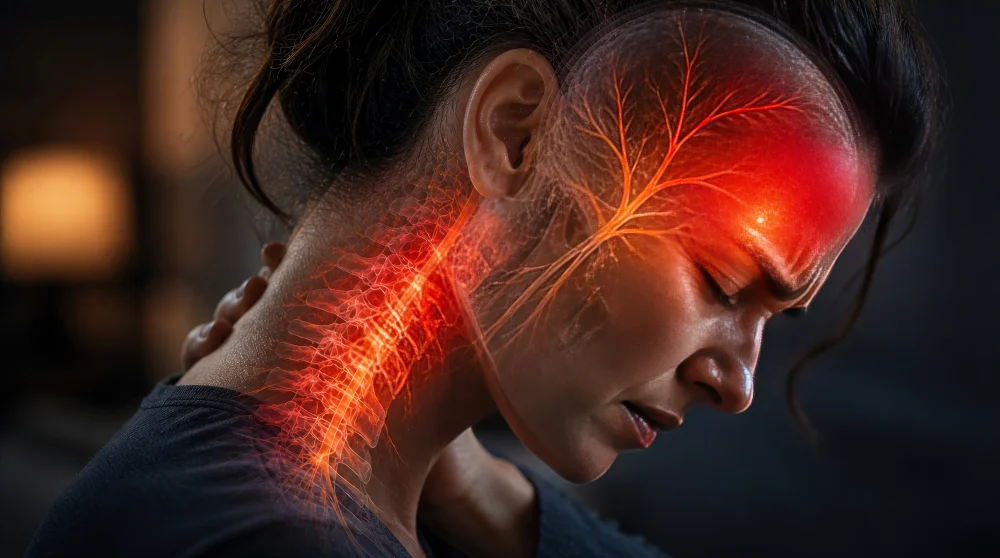
These symptoms can have several causes, so the examination must determine whether spinal decompression is a reasonable option.


How Symptoms May Affect Daily Life
Condition-Specific Spinal Decompression Services
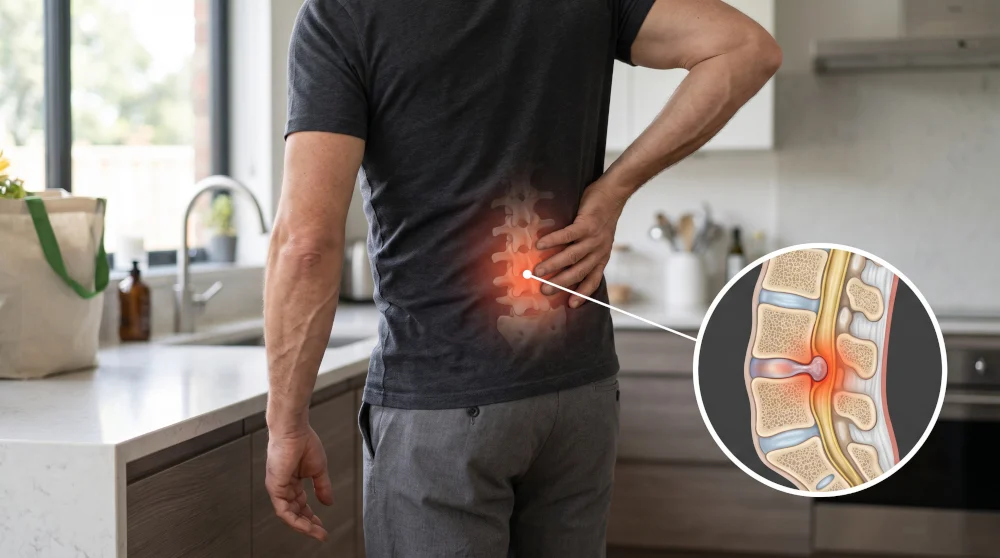
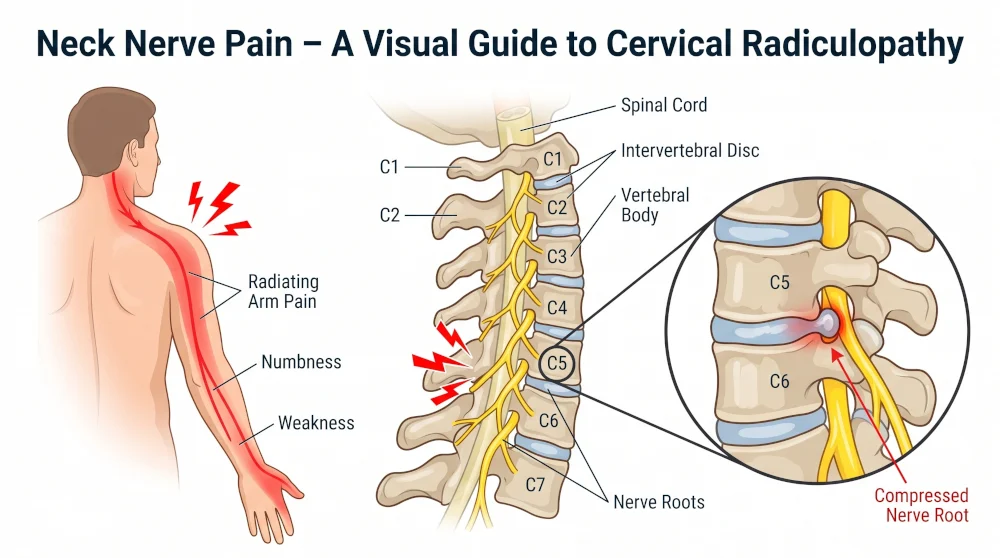
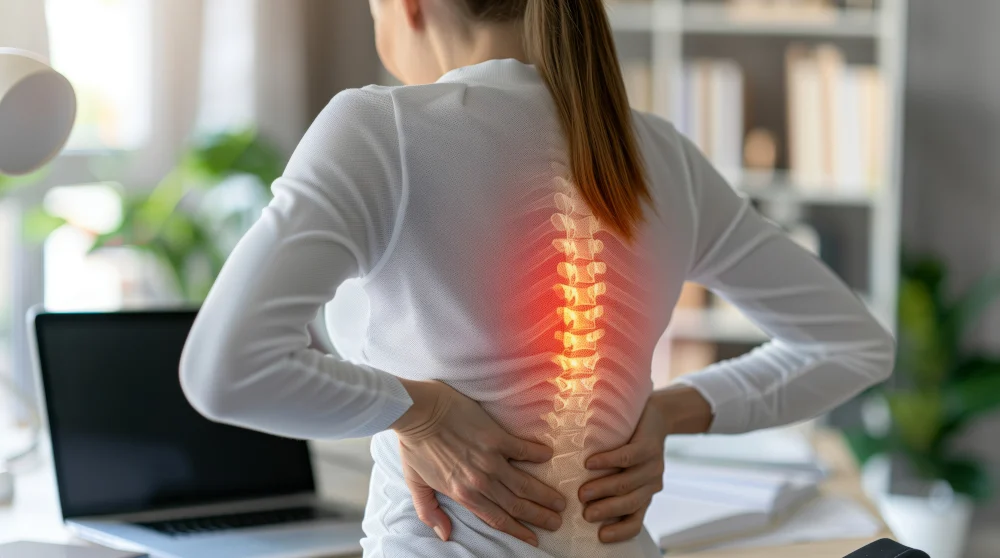
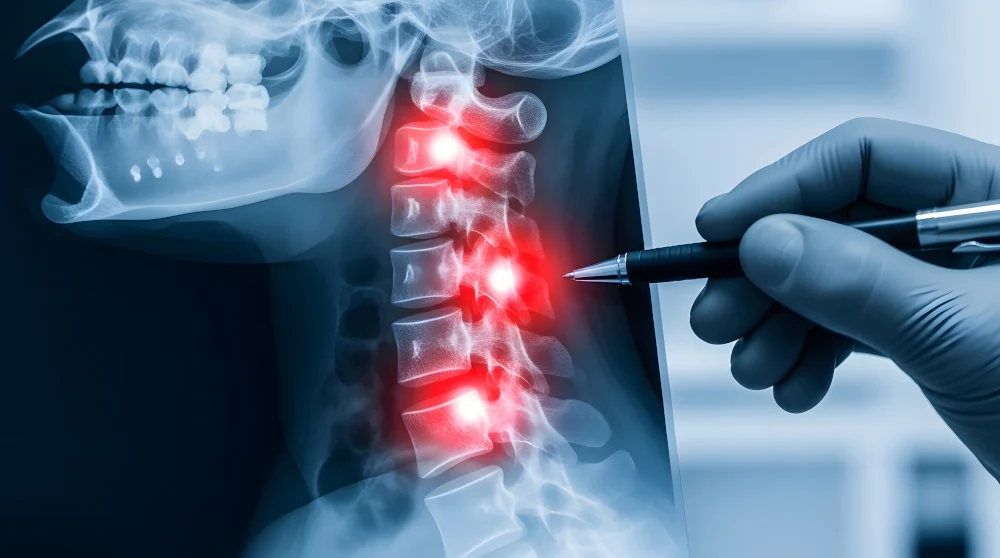
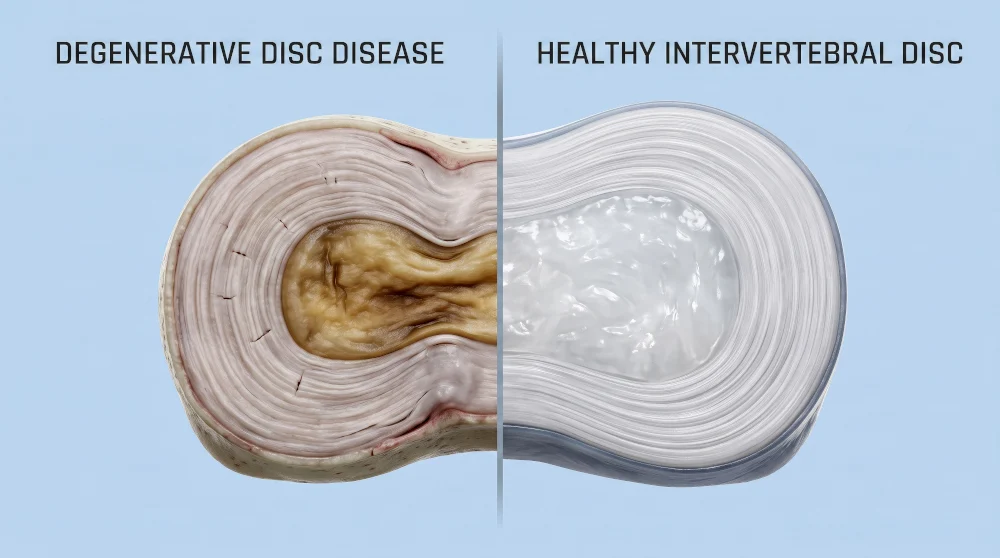
After the history and examination, spinal decompression may be considered when the findings are consistent with a mechanical disc, joint or nerve-related presentation and no contraindication has been identified. A diagnosis alone does not determine treatment. The conditions below are examples of concerns that may lead to an evaluation. Suitability is determined individually, and some symptoms require medical referral.






When Decompression May Not Be the Next Step
Decompression may be postponed, modified or excluded when the history suggests fracture, infection, progressive neurological loss, certain bone or systemic conditions, an unstable presentation or another concern requiring medical assessment. New bowel or bladder changes, saddle-area numbness, rapidly worsening weakness, major trauma, fever with severe spinal pain or other sudden alarming symptoms require urgent medical care rather than a routine decompression visit.
If the evaluation does not support decompression, Dr. Kleinfeld may discuss another chiropractic approach, home guidance, imaging or referral. A useful evaluation should clarify not only what may be tried, but also why a particular service is or is not recommended.
Spinal Decompression for Active Adults
Whether you enjoy golf, tennis, pickleball, weight training or other physical activities, neck and back pain can make it difficult to stay active. Repetitive movements, twisting, lifting and everyday physical demands may contribute to discomfort, stiffness or reduced mobility. At Revive Spine & Wellness in Jupiter, Dr. Kleinfeld evaluates these concerns to determine whether non-surgical spinal decompression may be an appropriate part of your care.

Spinal discomfort isn’t limited to athletes. Professionals who spend long hours sitting at a desk or looking at computer screens may experience neck stiffness, tension and postural discomfort, often referred to as “tech neck“. Using the Cox Flexion Distraction technique, Dr. Kleinfeld provides a controlled, table-assisted approach that may be considered for certain neck and back conditions, with care focused on improving comfort, supporting movement and helping you return to everyday activities.
Frequently Asked Questions
Spending long hours looking at a computer or phone can contribute to neck stiffness and discomfort, often called tech neck. Depending on the underlying cause, cervical spinal decompression using the Cox Flexion Distraction technique may be considered as part of an individualized care plan. Dr. Kleinfeld will evaluate your symptoms to determine whether this approach is appropriate.
No. Revive’s spinal decompression is a non-surgical, table-assisted chiropractic approach using controlled Cox Flexion Distraction movement. It should not be confused with surgical spinal decompression, and it is not a substitute for surgery when a medical specialist determines that surgery is necessary.
No. The cervical or lumbar area, direction and amount of movement, visit frequency and any accompanying techniques depend on the history, examination, available imaging, comfort and response. Some people may not be appropriate candidates.
Revive uses both cervical and lumbar approaches on the Cox 8 table. Whether either approach is appropriate depends on the location and cause of the symptoms, neurological findings and any relevant imaging.
No. Spinal decompression may be considered for suitable disc-, joint- or nerve-related concerns, but it cannot guarantee relief, healing or avoidance of surgery. Progress should be reviewed and the plan changed or referral made when clinically appropriate.
Yes, when both methods are suitable. Decompression may be performed before a Diversified adjustment, and supportive care such as soft-tissue work, muscle stimulation, ultrasound or home exercises may also be included according to the findings.
A typical decompression session is about 20 to 25 minutes. There is no fixed number of sessions for every patient; a course of care is often reviewed at around two months and then reassessed according to objective findings, reported symptoms and response.
Suitability depends on medical history, examination and available imaging rather than the condition name alone. Some presentations require additional testing, modification of the technique or referral before decompression can be considered, particularly when symptoms are progressive or suggest a condition requiring medical care.
Revive does not bill insurance and operates on a self-pay basis. Cash, Zelle and credit cards are accepted, and financing is available. Ask the office about current fees and package details before treatment begins.
Schedule a Chiropractic Consultation
Call 561-919-2262 to schedulea booking at the Jupiter office – 600 Heritage Drive, Suite 210, Jupiter, FL.